
Doc Talk Blog: Medical Cannabis Science, Advocacy, & Updates
Welcome to the Association of Cannabinoid Specialists' Doc Talk Blog, where you'll find the most up-to-date science, news, advocacy, and updates from cannabinoid specialists and other experts in the fields of cannabinoid medicine, policy, industry, education, and more.
-
Cannabinoids in Autism Care: Overview and Clinical Applications

Cannabinoids in Autism Care: Overview and Clinical Applications
Cannabinoids, particularly THC and CBD, are increasingly considered for managing symptoms associated with autism spectrum disorder (ASD), and the Association of Cannabinoid Specialists recognizes both the promise and limitations of current research in this area.

Written by Jordan Tishler, MD
November 18, 2025 -
Discussing Medical Cannabis Use With Family During Thanksgiving

Discussing Medical Cannabis Use With Family During Thanksgiving
Discussing medical cannabis use with family during gatherings such as Thanksgiving can be a sensitive and emotional topic.
Written by Jordan Tishler, MD
November 11, 2025 -
The Safety Concerns of Cannabinoid Vaping Products

Safety concerns of cannabinoid vaping products: Analytical gaps and regulatory challenges
Imagine a young adult reaches for a cannabinoid vape pen (e.g., CBD, CBG, Δ⁹-THC, Δ⁸-THC) before a stressful exam, hoping it will calm their anxiety. Another patient takes a quick puff for fast relief from chronic pain or insomnia.
-
Candy, Costumes, & Careful Cannabis: How to Avoid Spooky Slip-Ups

Halloween and cannabis can both bring a little magic to the season—but mix them carelessly, and that charm can turn spooky real fast. Whether you’re doling out treats, heading to a costume party, or just settling in for a scary movie night, it’s worth taking a few precautions to keep the holiday fun and safe for everyone (yes, even the family’s candy goblins).
Written by Jordan Tishler, MD
October 28, 2025 -
Life Sciences Companies in a New Era: Key Strategies for Navigating the Unknown

Life Sciences Companies in a New Era: Key Strategies for Navigating the Unknown
ACS’ Board Members are actively involved in many aspects of the medical field. For example, ACS Director and attorney, Bryant Godfrey of Foley Hoag, hosted a Life Sciences conference at the firm’s Boston offices. Pictured here is Bryant interviewing the CEO of the Reagan-Udall Foundation for the FDA, Susan Winckler, in a “fireside chat” style conversation.
Written by Amcs Admin
October 20, 2025 -
Should Medical Cannabis Patients Grow Their Own Cannabis?
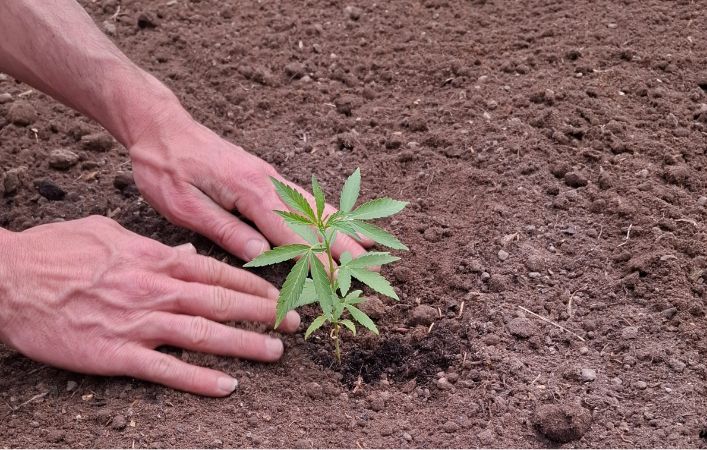 Should Medical Cannabis Patients Grow Their Own Cannabis?
When considering whether medical cannabis patients should grow their own medicine, the conversation must be grounded in evidence, compassion, and rooted in real clinical experience.
Written by Jordan Tishler, MD
October 14, 2025 -
Cannabis and Bipolar Disorder: Risks and Benefits of Use

Cannabis and Bipolar Disorder: Risks and Benefits of Use
As clinicians specializing in cannabinoid medicine, we are often asked about the use of cannabis for psychiatric conditions, including bipolar disorder.
Written by Jordan Tishler, MD
September 30, 2025 -
Request for Federal Rescheduling of Cannabis to Schedule III

Request for Federal Rescheduling of Cannabis to Schedule III
Dear Mr. President,
We are writing to respectfully urge your administration to finalize the rescheduling of marijuana from Schedule I to Schedule III.
Written by Jordan Tishler, MD
September 16, 2025 -
Medical Cannabis for Cancer Symptom Management and Relief

Medical Cannabis for Cancer Symptom Management and Relief
Cannabis can play a meaningful and supportive role in the care of patients undergoing cancer treatment. However, it is essential that cannabis be used judiciously, with attention to dosing, formulation, and individual patient context. Too often, cannabis is portrayed as a miracle cure, when in fact, its real value lies in alleviating specific symptoms and improving quality of life.
Written by Jordan Tishler, MD
September 16, 2025 -
Role of Boards of Registration in Regulating Providers in Cannabis Medicine

Role of Boards of Registration in Regulating Providers in Cannabis Medicine
To improve quality of care in cannabis medicine, healthcare providers must be properly educated and held to the same ethical standard of informed consent required in all medical practice. Boards of Registration for Medicine, Nursing, and Pharmacy bear the responsibility to enforce these standards and ensure compliance among their members.
Written by Jordan Tishler, MD
September 12, 2025 -
The Role of Telemedicine in Providing Appropriate Cannabis Care

The Role of Telemedicine in Providing Appropriate Cannabis Care
Telemedicine offers a vital opportunity to improve patient access, convenience, and quality of cannabis care, especially in underserved or rural areas where specialist care may be limited.
Written by Jordan Tishler, MD
September 09, 2025 -
Medical Cannabis and Its Potential Role in Rheumatology

Medical Cannabis and Its Potential Role in Rheumatology
Living with a rheumatological condition often means dealing with chronic pain, inflammation, and other debilitating symptoms. These conditions can drastically impact quality of life, and while conventional treatments often help, they don’t always provide complete relief.

Written by Adam Abodeely
September 02, 2025 -
Female Orgasmic Function and Cannabis: A New Therapeutic Frontier

Female Orgasmic Function and Cannabis: A New Therapeutic Frontier
For decades, women, researchers, and clinicians have consistently reported that cannabis enhances female orgasmic response —yet this consistent finding has received little attention in mainstream medicine or clinical training.
-
Qualifying Conditions in State Medical Cannabis Programs
Qualifying Conditions in State Medical Cannabis Programs
The Association of Cannabinoid Specialists (ACS) asserts that rigid lists of qualifying conditions for medical cannabis use are medically inappropriate and restrict access to evidence-based care. State laws that dictate which conditions are eligible for treatment with cannabis undermine the professional judgment of physicians and reduce the flexibility necessary to respond to evolving scientific evidence.
Written by Jordan Tishler, MD
August 11, 2025 -
What Clinicians Need to Know About: Traveling with Cannabis

What Clinicians Need to Know About: Traveling with Cannabis
As medical and recreational cannabis use becomes increasingly legal across various jurisdictions, clinicians are increasingly confronted with questions from patients about traveling with cannabis. The legal complexities, medical risks, and potential consequences of transporting cannabis across borders—both domestic and international—are significant. It is essential for clinicians to understand these issues in order to offer accurate, up-to-date guidance to patients who rely on cannabis for therapeutic purposes.
Written by Jordan Tishler, MD
August 05, 2025 -
Cannabis and the Nervous System: Current Applications in Neurological Disorders

Cannabis and the Nervous System: Current Applications in Neurological Disorders
Cannabinoids—compounds derived from the cannabis plant and produced endogenously—are increasingly being studied for their potential to treat neurological disorders. Their therapeutic value lies in their ability to interact with the endocannabinoid system (ECS), which plays a key role in maintaining homeostasis across several physiological systems, including those governing pain perception, mood regulation, memory, and neuroinflammation.
-
Cannabinoids and Sleep: Exploring Medical Cannabis as a Therapeutic Option for Insomnia

Cannabinoids and Sleep: Exploring Medical Cannabis as a Therapeutic Option for Insomnia
Insomnia is one of the most common sleep disorders, affecting up to 30% of the population10 . It is characterized by difficulty falling or staying asleep, with symptoms occurring at least three times per week for three months or more.
-
Texas Hemp Veto: Association of Cannabinoid Specialists' Response
Texas Hemp Veto: Association of Cannabinoid Specialists' Response
On June 22, 2025, Texas’ Governor Greg Abbott vetoed Senate Bill No. 3, "Relating to the regulation of products derived from hemp, including consumable hemp products and the hemp-derived cannabinoids contained in those products; requiring occupational licenses and permits; imposing fees; creating criminal offenses; authorizing an administrative penalty."
-
The Importance of Human-Based Evidence in Cannabinoid Research
The Importance of Human-Based Evidence in Cannabinoid Research
In the realm of medical research, particularly within the context of cannabinoids, the reliance on human-based evidence over animal or cell studies holds paramount importance.
Written by Adam Abodeely
June 24, 2025 -
What Clinicians Need to Know: Delta-8 tetrahydrocannabinol (THC)
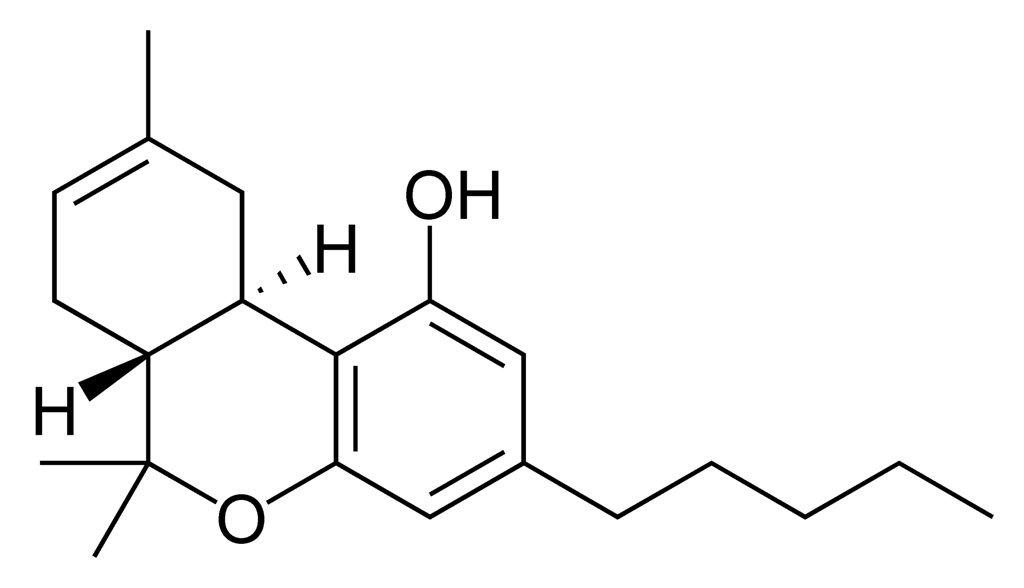
What Clinicians Need to Know: Delta-8 tetrahydrocannabinol (THC)
Delta-8 tetrahydrocannabinol (Delta-8 THC) is a cannabinoid gaining traction as a legal alternative to Delta-9 THC, the primary compound in cannabis. While both share structural similarities, Delta-8 is often described as a “milder” version of Delta-9. However, clinicians should be aware that this perceived safety may be misleading. Delta-8 has distinct biological effects, manufacturing-related hazards, and a growing record of adverse events, many of which remain under-recognized in clinical practice.
Written by Jordan Tishler, MD
June 10, 2025 -
The Dark Side of Cannabidiol: A Closer Look at Chemistry & Risks

The Dark Side of Cannabidiol: A Closer Look at Chemistry & Risks
Cannabidiol, or CBD, is a chemical compound found in the cannabis plant. After the U.S. legalized hemp-derived CBD in the 2018 Farm Bill, companies started producing a wide range of CBD-based products.
Written by Jordan Tishler, MD
May 27, 2025 -
Gateway Theory: Does Cannabis Use Lead to Harder Drugs?

Gateway Theory: Does Cannabis Use Lead to Harder Drugs?
In the early 1980s the concept of cannabis being a “gateway” to the use of “harder” drugs was introduced as a justification for prohibition of cannabis and prosecution of users. Unfortunately, this Gateway Theory had not been scientifically investigated at the time it was introduced, and despite subsequent science that has demonstrated this theory to be incorrect, lawmakers and politicians continue to refer to it when justifying their positions. This article will summarize the actual data that has been accumulated over the ensuing 40 plus years since this theory made its debut.
-
Cannabinoid-Based Therapies for the Treatment of Multiple Sclerosis
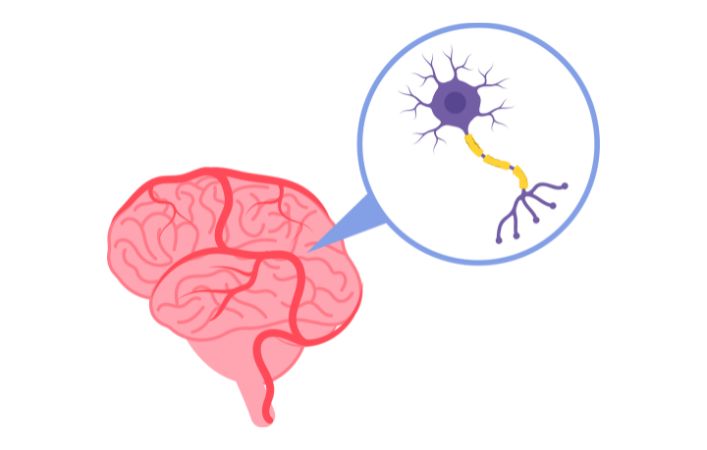
Cannabinoid-Based Therapies for the Treatment of Multiple Sclerosis
Many diseases affect the central nervous system, but Multiple Sclerosis (MS) is the most prevalent. MS affects 2.8 million people worldwide, primarily affecting more women than men (Karabudak et al., 2015). Multiple sclerosis is a chronic, immune-mediated disease that targets the central nervous system and is characterized by the immune system attacking the myelin sheath.
-
Observational Data Are Valuable, but RCTs Remain Essential

Observational Data Are Valuable, but RCTs Remain Essential
The clinical use of cannabinoid-based therapies has accelerated dramatically over the past decade, supported by extensive observational research, patient registries, and clinical anecdotes.
Written by Jordan Tishler, MD
April 15, 2025 -
Delta-7 THC, Delta-8 THC, Delta-9 THC, Delta-10 THC, HHC, & more

Delta-7 THC, Delta-8 THC, Delta-9 THC, Delta-10 THC, HHC, & more
Hemp is seriously complicating the cannabis world. This is making it harder to treat patients and to safeguard the public health. There is a range of historical reasons that have led us to this quagmire but regardless of the history and rationale, we have to understand the current situation and how that affects our patients.
Written by Jordan Tishler, MD
April 01, 2025 -
Recommendation to Change the Term Adult-Use to Non-medical Use

Recommendation to Change the Term Adult-Use to Non-medical Use
Association of Cannabinoid Specialists (ACS) proposes that the term “adult-use” be changed to “non-medical use” in all communication, laws, and regulation. The term “adult-use” is inaccurate, stigmatizing, and harmful to the community whereas “non-medical use” is accurate, supportive, and will decrease confusion among consumers.
Written by Jordan Tishler, MD
March 27, 2025 -
ACS Calls on FDA to do More Than Send Letters to Cannabis Companies

ACS Calls on FDA to do More Than Send Letters to Cannabis Companies
Recently the FDA has sent a warning letter to a California company for marketing an injectable CBD product. As reported via a variety of outlets, FDA cited multiple legal infractions and gave the company 15 days to comply with all laws and regulations. Further legal action, of any unspecified nature, was implied in the letter if compliance was not ensured by the due date.
Written by Jordan Tishler, MD
March 19, 2025 -
Understanding Cannabis Testing: Ensuring Safety and Quality

Understanding Cannabis Testing: Ensuring Safety and Quality
The cannabis industry is growing at an unprecedented pace, driven by the legalization wave across the globe. However, as the market expands, so too does the need for robust testing to ensure the safety, quality, and consistency of products.
Written by Adam Abodeely
March 18, 2025 -
Supporting Your Own Endocannabinoid System Beyond Cannabis

Supporting Your Own Endocannabinoid System Beyond Cannabis
While cannabis has garnered significant attention for its unique ability to interact with the human Endocannabinoid System, maintaining the health and balance of this vital system can be achieved or supported in ways that are not simply consuming cannabis. A holistic approach that encompasses diet, lifestyle, and therapeutic practices can produce the best results.
Written by Adam Abodeely
March 04, 2025 -
Clinical Endocannabinoid Deficiency: An Emerging Paradigm

Clinical Endocannabinoid Deficiency: An Emerging Paradigm
The concept of Clinical Endocannabinoid Deficiency (CED) is a hypothesis that suggests an underactive endocannabinoid system (ECS) may contribute to the pathogenesis of certain chronic conditions.
Written by Jordan Tishler, MD
February 18, 2025