

Cannabinoids and Sleep: Exploring Medical Cannabis as a Therapeutic Option for Insomnia
Insomnia is one of the most common sleep disorders, affecting up to 30% of the population10 . It is characterized by difficulty falling or staying asleep, with symptoms occurring at least three times per week for three months or more.
Insomnia is associated with impaired cognitive function, mood disturbances, metabolic dysfunction, and increased cardiovascular risk10. Treatments often include cognitive behavioral therapy for insomnia (CBT-I) and medications such as melatonin agonists or antidepressants. However, these treatments are not always effective, which prompts a growing interest in alternative options like medical cannabis.
The Endocannabinoid System and Sleep Regulation
The endocannabinoid system (ECS) regulates mood, appetite, pain, immune response, and sleep8. CB1 receptors are abundant in brain regions governing sleep, which includes the hypothalamus, basal forebrain, and reticular formation8. In rodents, administration of anandamide, an endocannabinoid CB1 agonist, increased non-rapid eye movement (NREM) sleep and reduced sleep latency, while CB1 antagonists reduced sleep continuity13.
ECS signaling follows a circadian rhythm, which suggests involvement in aligning the body’s internal clock. Anandamide levels peak during early sleep, and another endocannabinoid, 2-Arachidonoylglycerol (2-AG), levels vary with the light–dark cycle, modulating REM and NREM phases 3.

The ECS also influences neurotransmitters by suppressing excitatory glutamate and enhancing inhibitory gamma-aminobutyric acid (GABA) activity. ECS dysregulation has also been implicated in sleep disorders because a study reported that sleep deprivation increases CB1 receptor expression and endocannabinoid levels in arousal centers, which suggests a feedback mechanism where the ECS acts to restore homeostasis after insufficient sleep5.
Cannabinoids and Terpenes Relevant to Sleep
Cannabis may influence sleep through phytocannabinoids and terpenes.
Tetrahydrocannabinol
Tetrahydrocannabinol (THC) promotes sleep primarily by activating CB1 receptors. This suppresses excitatory signaling and enhances GABAergic pathways, promoting sleep readiness 6.
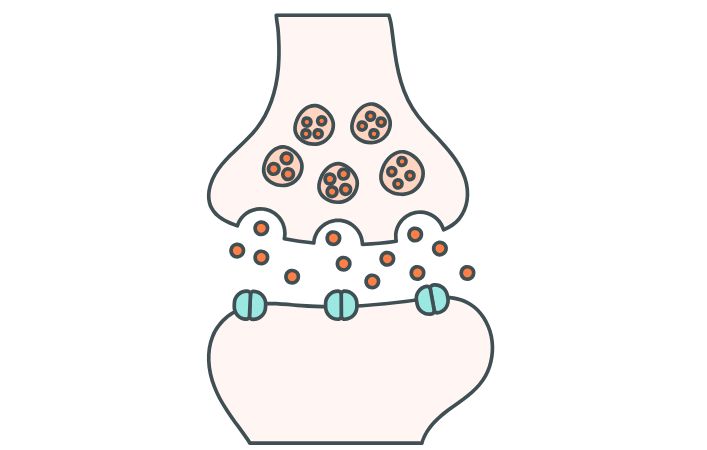
THC also suppresses Orexin, a neuropeptide that promotes wakefulness. At low to moderate doses, THC reduces sleep latency and increases total sleep time. THC has shown to have biphasic effects: low-to-moderate doses of THC have been shown to reduce sleep latency and increase total sleep time; however, high doses may suppress REM sleep, disrupt sleep architecture, and cause tolerance-related rebound insomnia 1. This highlights the importance of dosage and individual variability when using cannabis to treat insomnia
Cannabidiol
Cannabidiol (CBD) is non-intoxicating and in pre-clinical research could affect sleep through serotonin receptor modulation (5-HT1A), GABAergic enhancement, circadian regulation and other pathways. Similar pre-clinical data suggest that its anxiolytic effects help reduce hyperarousal and emotional stress, which are major contributors to insomnia.

Like THC, CBD has been shown to exhibit biphasic effects. A review reported that low doses of CBD may be mildly stimulating, while higher doses, typically 150 mg or more, show sedative properties1. While the effects of CBD appear to be dose-dependent, studies suggest it could function as an adjunct for improving sleep quality.
Cannabinol
Cannabinol (CBN) is a mild psychoactive product of THC degradation and a partial agonist at the CB1 receptor. It is often marketed as a sedative cannabinoid but there is a lack of robust evidence to prove this. A 2023 study demonstrated that 20 mg of CBN was effective in improving certain aspects of sleep such as nighttime awakenings but did not improve overall sleep architecture2.
CBN and CBD combinations were tested but there was no significant difference between CBN alone and CBN+CBD combination2. Although this study provided evidence that CBN can improve certain aspects of sleep, more studies with longer durations, higher doses and objective sleep measures are needed to understand CBN.
Terpenes
Terpenes are aromatic compounds in cannabis some of which have sedative effects of their own. A pilot study provided preliminary evidence that β‑myrcene at 15 mg can impair simulated driving performance, indicating sedative effects and cognitive impairment4. Linalool exhibits anxiolytic and mild sedative properties via modulation of glutamate and GABA receptors and may increase levels of adenosine, a sleep promoting neurotransmitter 12.
Though clinical data are limited, preclinical evidence supports their role in enhancing sleep outcomes when used with cannabinoids.

Clinical Evidence and Considerations
There are several clinical trials and systematic reviews that support the therapeutic use of cannabis for insomnia.
A 2023 randomized, double-blind, placebo-controlled crossover trial showed that a THC and CBD oral oil improved sleep in adults with chronic insomnia. After two weeks, 60% of participants no longer met insomnia criteria, with no serious adverse effects 9.
Another placebo-controlled crossover trial reported significant reductions in insomnia severity scores 11.
A 2022 systematic review of 34 studies involving CBD or CBD+THC found that most showed statistically significant improvements in sleep 7. However, the review also highlighted limitations in existing literature, including small sample sizes, inconsistent dosing, and reliance on subjective sleep metrics7.
When considering cannabis for insomnia, clinicians must evaluate potential benefits against risks. Treatment efficacy depends on the cannabinoid profile, dosage, delivery method, patient characteristics, cost and availability.
Doctors should be aware of the biphasic effects of cannabinoids and must carefully monitor patients to see how they respond to different dosages.
Inhaled products provide rapid onset but short duration, which may help with sleep initiation. Oral formulations have a slower onset but longer-lasting effects, making them better for maintaining sleep through the night.
Clinicians should screen patients for contraindications, such as a history of psychosis, substance use disorders, or cardiovascular disease and closely monitor patient outcomes using validated sleep measures.
Conclusion
Medical cannabis shows promise as an insomnia treatment. Through interactions with the endocannabinoid system and the combined effects of cannabinoids and terpenes, cannabis can improve sleep onset, duration, and quality.
Current studies provide compelling evidence that cannabinoid-based therapies may offer benefits for individuals with insomnia. However, more large-scale, randomized controlled studies are needed to confirm long-term safety and efficacy.
Until then, medical cannabis should be approached with individualized treatment plans and clinical guidance to optimize outcomes and minimize risk.
References
- Babson, K. A., Sottile, J., & Morabito, D. (2017). Cannabis, Cannabinoids, and Sleep: a Review of the Literature. Current psychiatry reports, 19(4), 23. https://doi.org/10.1007/s11920-017-0775-9
- Bonn-Miller, M. O., Feldner, M. T., Bynion, T. M., Eglit, G. M. L., Brunstetter, M., Kalaba, M., Zvorsky, I., Peters, E. N., & Hennesy, M. (2024). A double-blind, randomized, placebo-controlled study of the safety and effects of CBN with and without CBD on sleep quality. Experimental and clinical psychopharmacology, 32(3), 277–284. https://doi.org/10.1037/pha0000682
- Hanlon E. C. (2020). Impact of circadian rhythmicity and sleep restriction on circulating endocannabinoid (eCB) N-arachidonoylethanolamine (anandamide). Psychoneuroendocrinology, 111, 104471. https://doi.org/10.1016/j.psyneuen.2019.104471
- Johnson, M. B., McKnight, S., Taylor, E. P., Mechtler, L., & Ralyea, C. C., Jr (2023). The Effects of β-myrcene on Simulated Driving and Divided Attention: A Double-Blind, Placebo-Controlled, Crossover Pilot Study. Cannabis (Albuquerque, N.M.), 6(1), 9–19. https://doi.org/10.26828/cannabis/2023.01.002
- Pava, M. J., Makriyannis, A., & Lovinger, D. M. (2016). Endocannabinoid Signaling Regulates Sleep Stability. PloS one, 11(3), e0152473. https://doi.org/10.1371/journal.pone.0152473
- Pérez-Morales, M., Espinoza-Abad, R., & García-García, F. (2025). Involvement of CB1R and CB2R Ligands in Sleep Disorders and Addictive Behaviors in the Last 25 Years. Pharmaceuticals, 18(2), 266. https://doi.org/10.3390/ph18020266
- Ranum, R. M., Whipple, M. O., Croghan, I., Bauer, B., Toussaint, L. L., & Vincent, A. (2023). Use of Cannabidiol in the Management of Insomnia: A Systematic Review. Cannabis and cannabinoid research, 8(2), 213–229. https://doi.org/10.1089/can.2022.0122
- Rezende, B., Alencar, A. K. N., de Bem, G. F., Fontes-Dantas, F. L., & Montes, G. C. (2023). Endocannabinoid System: Chemical Characteristics and Biological Activity. Pharmaceuticals, 16(2), 148. https://doi.org/10.3390/ph16020148
- Ried, K., Tamanna, T., Matthews, S., & Sali, A. (2023). Medicinal cannabis improves sleep in adults with insomnia: a randomised double-blind placebo-controlled crossover study. Journal of sleep research, 32(3), e13793. https://doi.org/10.1111/jsr.13793
- Stapel, B., Alvarenga, M. E., & Kahl, K. G. (2025). Pharmacological and psychological approaches to insomnia treatment in cardiac patients: A narrative literature review. Frontiers in Psychiatry, 16. https://doi.org/10.3389/fpsyt.2025.1490585
- Walsh, J. H., Maddison, K. J., Rankin, T., Murray, K., McArdle, N., Ree, M. J., Hillman, D. R., & Eastwood, P. R. (2021). Treating insomnia symptoms with medicinal cannabis: a randomized, crossover trial of the efficacy of a cannabinoid medicine compared with placebo. Sleep, 44(11), zsab149. https://doi.org/10.1093/sleep/zsab149
- Weston-Green, K., Clunas, H., & Jimenez Naranjo, C. (2021). A Review of the Potential Use of Pinene and Linalool as Terpene-Based Medicines for Brain Health: Discovering Novel Therapeutics in the Flavours and Fragrances of Cannabis. Frontiers in psychiatry, 12, 583211. https://doi.org/10.3389/fpsyt.2021.583211
- Xue, J., Xu, Z., Zhang, J., Hou, H., Ge, L., & Yang, K. (2024). Systematic review/meta-analysis on the role of CB1R regulation in sleep-wake cycle in rats. Journal of evidence-based medicine, 17(4), 714–728. https://doi.org/10.1111/jebm.12643