
Cannabinoid-Based Therapies for the Treatment of Multiple Sclerosis
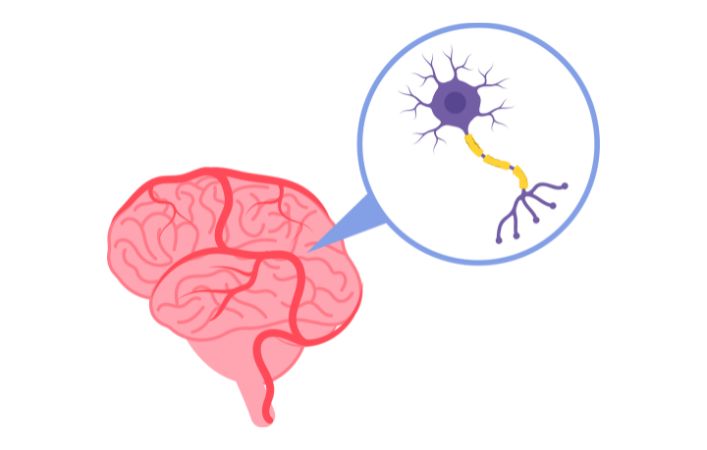
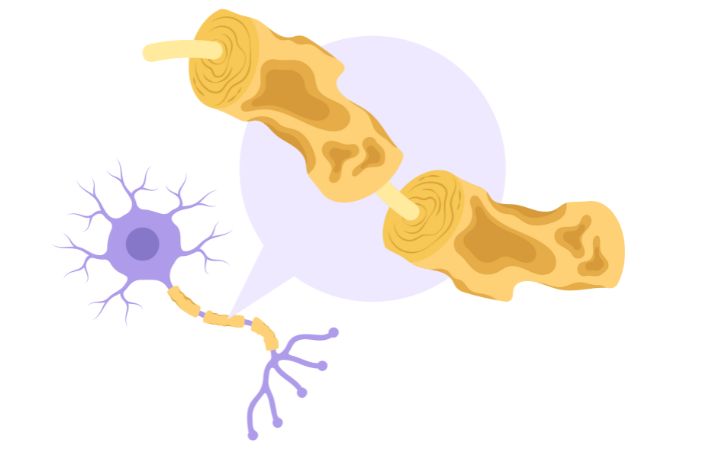
Many diseases affect the central nervous system, but Multiple Sclerosis (MS) is the most prevalent. MS affects 2.8 million people worldwide, primarily affecting more women than men (Karabudak et al., 2015). Multiple sclerosis is a chronic, immune-mediated disease that targets the central nervous system and is characterized by the immune system attacking the myelin sheath.
It affects the brain, spinal cord, and optic nerves, which results in a wide range of neurological symptoms. MS takes several forms, with symptoms occurring in isolated attacks (relapsing forms) or building up over time (progressive forms). While the cause is unclear, the underlying mechanism is thought to be due to immune dysregulation, genetics, and environmental factors (Karabudak et al., 2015).
Patients with MS exhibit a wide range of chronic, refractory symptoms such as spasticity, neuropathic pain, and sleep disturbances (Nielsen et al., 2018). While disease-modifying therapies target our current understanding of the underlying cause and attempt to slow disease progression, they do not treat the persistent symptoms that impact the quality of life of patients. In these situations, cannabinoid therapies may present novel tools for improving patients’ lives. Cannabinoids such as THC and CBD interact with the endocannabinoid system. This may attenuate neuroinflammation and provide neuroprotective benefits (Cristino et al., 2020), but has been definitively shown to treat multiple MS symptoms, for which conventional treatments have limited efficacy or tolerability.
Cannabinoid Pharmacology Relevant to MS
The endocannabinoid system is a lipid-based transmitter-receptor system that plays a central role in maintaining the normal function of multiple body systems. It is involved in neuroimmune modulation which may help reduce excessive immune responses in the brain (Cristino et al., 2020). Cannabinoids interact with both cannabinoid and non-cannabinoid receptors to modulate neurotransmission, inflammation, and pain. During neuroinflammatory states, THC, a partial agonist at CB1 and CB2, can activate CB2 receptors, found in immune cells and glial cells, which causes CB2 receptors to become upregulated on microglia and induce anti-inflammatory effects (Komorowska-Müller & Schmöle, 2021). This results in reducing pro-inflammatory cytokines and changing microglial phenotype from pro-inflammatory to anti-inflammatory (Komorowska-Müller & Schmöle, 2021).
CB1 receptors are primarily expressed in the central nervous system and are involved in neurological functions such as pain perception. They can be found on presynaptic terminals of neurons, where they inhibit the release of neurotransmitters. THC activation of the CB1 receptor triggers a cascade of intracellular signaling that leads to reduced neuronal excitability and neurotransmitter release (Cristino et al., 2020). The reduction of neurotransmitters like glutamate is critical for preventing excitotoxicity, which is a major contributor to neuronal damage.
Cannabidiol (CBD) has low affinity for CB1 and CB2 receptors but interacts with non-ECS receptors such as TRPV1 receptors, adenosine receptors, and PPARγ nuclear receptors, which may contribute to anti-inflammatory and neuroprotective effects (Ibeas Bih et al., 2015). CBD can also modulate the endocannabinoid system by inhibiting FAAH to increase endogenous cannabinoid signaling and regulate microglial activity (Cristino et al., 2020). In MS, these receptor-mediated actions are relevant for spasticity reduction, neuropathic pain relief, and modulation of neuroinflammation.
Evidence-Based Applications
Cannabinoid-based therapies have been studied extensively for their potential to alleviate multiple symptoms associated with MS. Spasticity is one of the most prevalent and debilitating symptoms of MS. There is a robust body of clinical trial evidence that supports the use of cannabinoids to treat spasticity. On this basis Dronabinol (Marinol) was approved for treatment of MS spasticity in 1985. More recently, Nabiximols (Sativex), a 1:1 THC: CBD oromucosal spray, is approved in over 20 countries for treatment-resistant spasticity and has been clinically proven to improve spasticity in MS patients. Two clinical trials, GWSP0604 and SAVANT trials, reported that some participants who used Nabixmols experienced more than 20% improvement in spasticity severity, spasm frequency, and muscle tone, which was measured by the Numerical Rating Scale and Modified Ashworth Scale (Nicholas et al., 2023).
Neuropathic pain is another common and treatment-resistant symptom in MS. Cannabinoids have demonstrated efficacy in treating these symptoms in both observational studies and randomized-controlled trials. A systematic review reported that cannabinoids provided modest but meaningful improvements in MS-related pain, particularly in patients who had failed other treatments (Nielsen et al., 2018). In CAMS and MUSEC studies, objective measures of pain relief varied while patient-reported outcomes frequently favored cannabinoid therapies (Nielsen et al., 2018).
Improving overall quality of life is another key goal in MS care. Cannabinoids have been shown to improve daily functioning by improving sleep, reducing nocturnal spasms, and decreasing discomfort (Nielsen et al., 2018). By addressing multiple symptoms simultaneously, cannabinoid therapies can enhance quality of life and productivity.
Clinical Considerations
While cannabinoid-based therapies are generally well tolerated by patients, some common side effects include dizziness, anxiety, and fatigue. Most symptoms are mild to moderate and tend to resolve with dose adjustment (Nielsen et al., 2018). Longitudinal studies have not shown serious cognitive decline or adverse effects with medical cannabinoid use and there are no reported cases of overdose on medical cannabis in MS populations (Nielsen et al., 2018). Ongoing guidance by clinicians is imperative to assure best practices of dose, method of delivery, and timing and also to respond to the advent of new or worsening symptoms of MS.

Cannabinoid-based therapies represent a promising approach to managing persistent symptoms in Multiple Sclerosis. The endocannabinoid system’s involvement in neuroinflammation and neuromodulation provides a strong rationale for cannabinoid use as a potential disease-modifying treatment of MS. Current evidence demonstrating the multi-symptom benefits, safety, and tolerability of cannabinoids support their role currently in addressing symptom management gaps left by standard therapies.
Nonetheless, there are some limitations. Not all patients respond equally to cannabinoid treatments, and objective improvements are less pronounced than subjective symptom relief. Regulatory barriers and a lack of standardized dosing impede clinical implementation and research. Furthermore, long-term efficacy and safety data are limited since most trials focus on short-term outcomes. Larger studies that use standardized products are needed to better define patient selection criteria and optimize therapeutic regimens. More research and education are needed to fully realize the therapeutic potential of cannabis.
References
- Cristino, L., Bisogno, T., & Di Marzo, V. (2020). Cannabinoids and the expanded endocannabinoid system in neurological disorders. Nature reviews. Neurology, 16(1), 9–29. https://doi.org/10.1038/s41582-019-0284-z
- Ibeas Bih, C., Chen, T., Nunn, A. V., Bazelot, M., Dallas, M., & Whalley, B. J. (2015). Molecular Targets of Cannabidiol in Neurological Disorders. Neurotherapeutics : the journal of the American Society for Experimental NeuroTherapeutics, 12(4), 699–730. https://doi.org/10.1007/s13311-015-0377-3
- Karabudak, R., Dahdaleh, M., Aljumah, M., Alroughani, R., Alsharoqi, I. A., AlTahan, A. M., Bohlega, S. A., Daif, A., Deleu, D., Amous, A., Inshasi, J. S., Rieckmann, P., Sahraian, M. A., & Yamout, B. I. (2015). Functional clinical outcomes in multiple sclerosis: Current status and future prospects. Multiple sclerosis and related disorders, 4(3), 192–201. https://doi.org/10.1016/j.msard.2015.03.004
- Komorowska-Müller, J. A., & Schmöle, A.-C. (2021). CB2 Receptor in Microglia: The Guardian of Self-Control. International Journal of Molecular Sciences, 22(1), 19. https://doi.org/10.3390/ijms22010019
- Nicholas, J., Lublin, F., Klineova, S., Berwaerts, J., Chinnapongse, R., Checketts, D., Javaid, S., & Steinerman, J. R. (2023). Efficacy of nabiximols oromucosal spray on spasticity in people with multiple sclerosis: Treatment effects on Spasticity Numeric Rating Scale, muscle spasm count, and spastic muscle tone in two randomized clinical trials. Multiple sclerosis and related disorders, 75, 104745. https://doi.org/10.1016/j.msard.2023.104745
- Nielsen, S., Germanos, R., Weier, M., Pollard, J., Degenhardt, L., Hall, W., Buckley, N., & Farrell, M. (2018). The Use of Cannabis and Cannabinoids in Treating Symptoms of Multiple Sclerosis: a Systematic Review of Reviews. Current neurology and neuroscience reports, 18(2), 8. https://doi.org/10.1007/s11910-018-0814-x