


Medical Cannabis and Its Potential Role in Rheumatology
Living with a rheumatological condition often means dealing with chronic pain, inflammation, and other debilitating symptoms. These conditions can drastically impact quality of life, and while conventional treatments often help, they don’t always provide complete relief.
Cannabis can play a role in managing rheumatological conditions by effectively controlling symptoms like pain and inflammation while enhancing quality of life, much like its impact on inflammatory bowel disease. However, the evidence that cannabis can slow disease progression or reverse these conditions remains limited and unclear.
With its known analgesic and anti-inflammatory properties, medical cannabis has emerged as a hot topic in the search for alternative therapies. But how might it fit into the management of conditions like rheumatoid arthritis, osteoarthritis, or fibromyalgia? Let's take a closer look.
Rheumatological Conditions and Their Challenges
These are some of the most common and widely studied rheumatological conditions that potentially benefit from medical cannabis:
Rheumatoid Arthritis (RA)
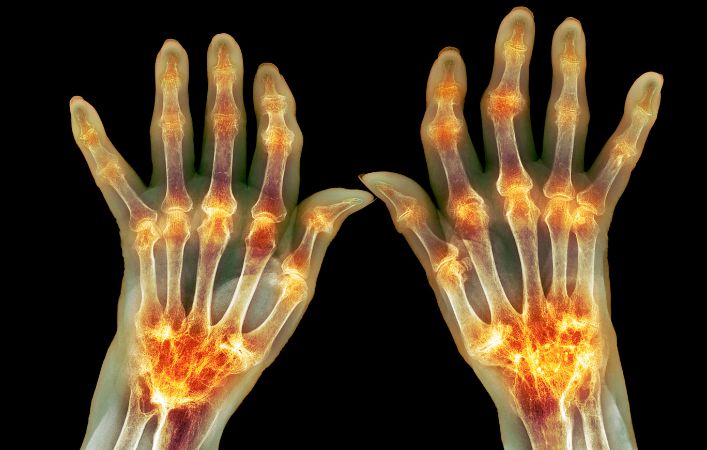
RA is an autoimmune disease where the immune system attacks the joints, causing pain, swelling, and eventual joint damage. It’s one of the leading causes of disability worldwide. Studies suggest that cannabinoids can reduce inflammatory cytokines and enzymes that degrade joint cartilage, potentially helping to slow disease progression and ease symptoms.
Osteoarthritis (OA)
Unlike RA, OA is primarily caused by wear and tear on the joints. It’s a degenerative condition that results in stiffness, pain, and loss of function over time. The anti-inflammatory and pain-relieving effects of cannabinoids may offer relief, especially as conventional treatments often focus more on symptom management than halting progression.
Ankylosing Spondylitis (AS)
AS is a type of inflammatory arthritis that primarily affects the spine and sacroiliac joints, leading to chronic back pain and stiffness. The condition can cause severe disability as the spine gradually fuses over time. Cannabis’s ability to modulate inflammation and pain could make it a valuable addition to treatment for some AS patients.
Systemic Lupus Erythematosus (SLE)
SLE, commonly called lupus, is an autoimmune disease that can affect multiple organs, including the joints, skin, heart, and kidneys. Chronic inflammation drives lupus flares, leading to widespread pain and fatigue. Preliminary research has identified higher levels of endocannabinoids in lupus patients, suggesting that the endocannabinoid system may be a key therapeutic target.

Systemic Sclerosis
Also known as scleroderma, this rare autoimmune condition causes hardening of the skin and damage to internal organs due to chronic inflammation and fibrotic processes. While research on cannabis in systemic sclerosis is limited, its reported anti-inflammatory and immunomodulatory properties may hold promise for managing symptoms.
Fibromyalgia
This complex condition is characterized by widespread pain, fatigue, and cognitive issues often referred to as "fibro fog." Many fibromyalgia patients report that conventional painkillers and anti-inflammatory drugs are ineffective or associated with unwanted side effects and often carry addiction potential. Cannabis’s ability to influence pain pathways and promote relaxation has led to its being considered for symptom management in fibromyalgia.
How Medical Cannabis May Help Rheumatological Conditions
Cannabis and its active compounds, known as cannabinoids (like THC and CBD), interact with the body’s endocannabinoid system. This system plays a role in regulating pain, inflammation, and immune response—all key aspects of rheumatological diseases. Here’s how cannabis might address some of the common challenges of these conditions:
Pain Relief
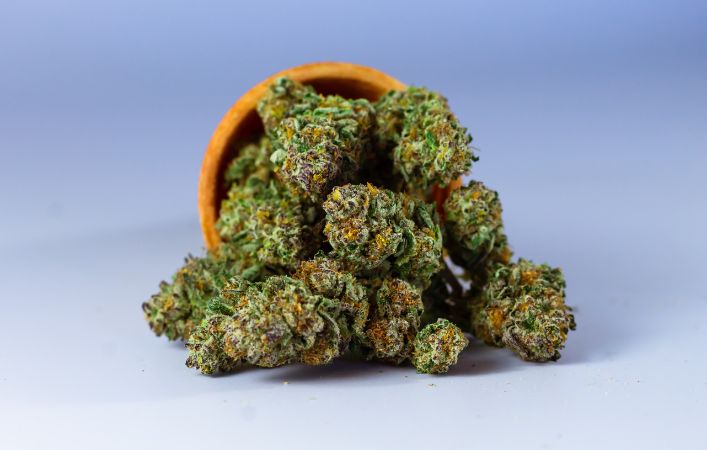
Cannabis is widely recognized for its ability to reduce pain. For chronic pain conditions like fibromyalgia or rheumatoid arthritis, this could be life-changing for many patients.
Anti-inflammatory Effects
Preclinical studies suggest that cannabis can reduce the production of inflammatory cytokines, which may help in conditions driven by autoimmunity or joint degeneration.
Reduced Muscle Spasms
For patients with stiffness or muscle spasms, such as in ankylosing spondylitis, cannabis could provide some relief.
Improved Sleep Quality
Many people with rheumatological conditions struggle with insomnia due to chronic pain. Cannabis’s relaxing properties could help promote better sleep.

Medical Cannabis, Rheumatology, and the Evidence
While anecdotal reports and preclinical studies abound, larger and more rigorous clinical trials are still needed to confirm the efficacy and safety of cannabis in rheumatology. Here are some notable findings so far (see references for details):
Animal Models
Cannabinoids have been shown to reduce inflammation in animal models of arthritis and improve clinical markers of disease severity.

Fibromyalgia
Some studies highlight improved pain management and sleep quality among fibromyalgia patients who use cannabis.
Rheumatoid Arthritis
Early clinical trials have shown that cannabis-based medicines, such as nabiximols, can reduce pain and improve quality of life without serious side effects.
Challenges and Considerations
Despite its potential, there are hurdles to widespread use of cannabis in rheumatology. Physicians often remain cautious due to limited randomized clinical trials. Additionally, cannabis can have side effects, such as dizziness, cognitive changes, or emotional disturbances, which may not be suitable for all patients.

There are also contraindications to consider—it’s not recommended for individuals who are pregnant or breast feeding, with certain psychiatric disorders and requires additional caution in patients on certain medications (blood thinners, antipsychotics, benzodiazepines, opioids, etc.,)
Finally, stigma and legal concerns about cannabis further complicate access, though global acceptance of medical cannabis is steadily growing.
The Future of Cannabis in Rheumatology
There’s no doubt that medical cannabis holds potential in rheumatology, especially for patients who don’t respond well to conventional treatments. Its ability to target pain, inflammation, and immune dysfunction makes it a promising candidate for managing conditions like RA, lupus, and fibromyalgia.
However, the medical community must tread carefully, prioritizing well-designed clinical trials to understand its full potential—and its limitations.
For now, medical cannabis offers hope, if not a cure, for rheumatology patients looking for better quality of life. With ongoing research and growing acceptance, it might eventually become a standard option in the toolkit for managing chronic rheumatological conditions.
For those considering cannabis as a treatment option, always consult with a healthcare provider to determine if it’s a safe and appropriate choice.
Join ACS and become an informed member!
References:
- Sarzi-Puttini, Piercarlo, et al. "Medical cannabis and cannabinoids in rheumatology: where are we now?." Expert review of clinical immunology15.10 (2019): 1019-1032.
- Fitzcharles, Mary‐Ann, et al. "Medical cannabis use by rheumatology patients following recreational legalization: a prospective observational study of 1000 patients in Canada." ACR Open Rheumatology2.5 (2020): 286-293.
- Guillouard, M., et al. "Cannabis use assessment and its impact on pain in rheumatologic diseases: a systematic review and meta-analysis." Rheumatology60.2 (2021): 549-556.