

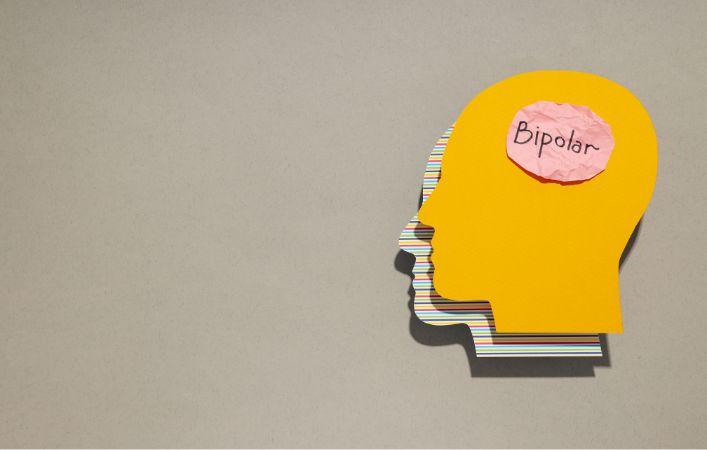
Cannabis and Bipolar Disorder: Risks and Benefits of Use
As clinicians specializing in cannabinoid medicine, we are often asked about the use of cannabis for psychiatric conditions, including bipolar disorder.
Risks and Benefits of Bipolar Disorder and Cannabis
While the therapeutic potential of cannabis in medicine is significant, its application in the treatment of bipolar disorder must be approached with caution. Based on current evidence and clinical experience, the risks of cannabis use for individuals with bipolar disorder may outweigh the benefits.
What is Bipolar Disorder?
Bipolar disorder is a serious psychiatric illness marked by episodes of mania/hypomania and depression. Managing this condition requires a stable neurochemical environment, typically supported by mood stabilizers, antipsychotics, and psychotherapy. Unfortunately, cannabis—particularly strains or products high in THC—can sometimes be highly destabilizing for individuals with bipolar disorder.
What are the Risks of Using Cannabis with Bipolar Disorder?
The most pressing concern is the risk of triggering or exacerbating manic episodes. Patients may experience increased energy, reduced need for sleep, racing thoughts, and impulsivity. In vulnerable individuals, this can escalate into full-blown manic or mixed episodes, sometimes requiring hospitalization. In my practice, I have seen otherwise stable bipolar patients destabilized by even moderate cannabis use.
Moreover, the risk of developing cannabis use disorder (CUD) is notably higher in individuals with bipolar disorder. Research shows a strong association between bipolar disorder and substance misuse, with cannabis being among the most commonly used (1). This complicates treatment adherence and outcomes, often masking symptoms or interfering with the efficacy of prescribed psychiatric medications.
Benefits of Cannabis and Bipolar Disorder

That said, there are patients who report benefits from cannabis, especially in managing sleep disturbances or anxiety associated with bipolar depression. While THC can reasonable treat these issues in patients without bipolar illness, given the above mentioned risks, these benefits are typically outweighed by those risks.
Is CBD or THC Better for Bipolar Disorder?
Of note, cannabidiol (CBD), a non-intoxicating compound found in cannabis, has shown some promise in early studies as a potential mood stabilizer and anxiolytic. However, the research is preliminary, and high doses needed to treat can also have drug interactions with many conventional psychiatric medications typically used to treat patients with bipolar illness.
Importantly, CBD appears to carry fewer psychiatric risks than THC and may merit further investigation as an adjunct to conventional therapy, but it should never be used as a replacement.
Harm Reduction and Ongoing Psychiatric Care
In clinical settings, if a patient with bipolar disorder is using cannabis, harm reduction should be the guiding principle. This includes open discussion about the potential for harm, steering patients toward lower doses (if cessation is not an immediate option), and encouraging ongoing psychiatric care.
Patients should be encouraged to discuss their cannabis use with their treating psychiatrist as it may interfere with other medications or cloud diagnostic clarity.
Use Caution When Using Cannabis

Cannabis poses significant risks to patients with bipolar disorder, particularly due to the possibility of THC triggering mania. While isolated components like CBD may hold some therapeutic promise, more research is needed before they can be recommended safely.
Until then, cannabis should be used with extreme caution—if at all—under close medical supervision and as part of a comprehensive treatment plan centered on evidence-based psychiatric care.
References:
- Agrawal A, Nurnberger JI Jr, Lynskey MT; Bipolar Genome Study. Cannabis involvement in individuals with bipolar disorder. Psychiatry Res. 2011 Feb 28;185(3):459-61. doi: 10.1016/j.psychres.2010.07.007. Epub 2010 Jul 31. PMID: 20674039; PMCID: PMC2976789.