
Cannabis and the Nervous System: Current Applications in Neurological Disorders
Cannabinoids—compounds derived from the cannabis plant and produced endogenously—are increasingly being studied for their potential to treat neurological disorders. Their therapeutic value lies in their ability to interact with the endocannabinoid system (ECS), which plays a key role in maintaining homeostasis across several physiological systems, including those governing pain perception, mood regulation, memory, and neuroinflammation.
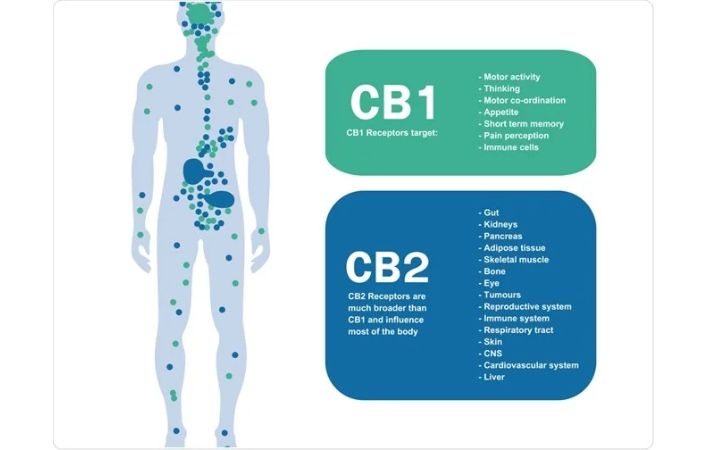
Δ9-Tetrahydrocannabinol (THC) and cannabidiol (CBD), two of the most prominent cannabinoids, exert their effects primarily through CB1 and CB2 receptors. THC binds strongly to CB1 receptors, which are abundant in the central nervous system, while CBD has minimal direct affinity for these receptors and instead modulates activity through alternative targets such as TRPV1, GPR55, and the inhibition of endocannabinoid-degrading enzymes like FAAH and MAGL5,6.
Epilepsy and Seizure Disorders
The strongest clinical support for cannabinoid-based therapy exists in the treatment of epilepsy. Epidiolex, a purified form of CBD, has been approved by the U.S. Food and Drug Administration (FDA) for treating Lennox-Gastaut syndrome, Dravet syndrome, and Tuberous Sclerosis Complex (TSC).
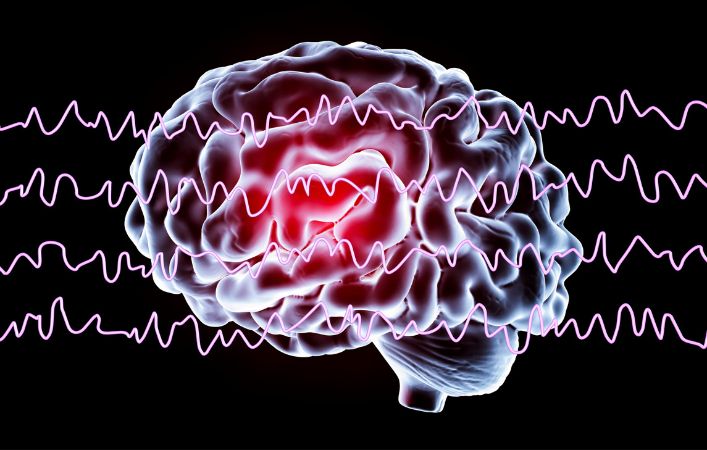
In a randomized controlled trial, Devinsky et al. demonstrated that CBD significantly reduced seizure frequency in patients with Dravet syndrome, with a 39% reduction compared to 13% in the placebo group. CBD’s mechanisms in epilepsy are thought to involve modulation of intracellular calcium and inhibition of adenosine uptake, rather than interaction with CB1 receptors7.
These results have laid a strong foundation for the broader exploration of cannabinoids in seizure management.
Multiple Sclerosis (MS)
Cannabinoids have also been investigated for symptom relief in multiple sclerosis (MS), particularly for spasticity and pain. Oromucosal sprays containing a 1:1 ratio of THC and CBD, such as Sativex, have been approved in over 30 countries. However, the most recent Phase 3 clinical trial by Jazz Pharmaceuticals found that, although there was a statistically significant reduction in spasticity, the clinical relevance of the effect was insufficient for FDA approval in the United States5.

Separately, Dronabinol—a synthetic THC isomer—has been approved since 1985 for MS-related pain and spasticity, though its side effects, including dizziness and cognitive impairment, have limited its widespread6.
The evidence underscores the need for more targeted cannabinoid therapies with fewer adverse effects.
Chronic Neuropathic Pain
Cannabinoids are increasingly considered in the management of chronic neuropathic pain, often as an adjunctive therapy. Their analgesic effects are believed to involve not only anti-inflammatory pathways but also modulation through CB1-opioid receptor complexes found in regions such as the dorsal root ganglia, thalamus, and limbic system1.
This interaction suggests that cannabinoids may enhance the analgesic effects of opioids, potentially allowing for lower opioid dosages. A 2024 meta-analysis found that while cannabinoids provide modest pain relief, their use can improve quality of life in patients with refractory pain conditions such as diabetic neuropathy and post-surgical neuralgia1.
However, side effects and individual variability in response necessitate medical supervision and careful titration.
Parkinson’s Disease
Parkinson’s disease (PD) presents another area of interest for cannabinoid therapies. Some studies report that cannabis may alleviate secondary symptoms such as pain, anxiety, and sleep disturbances. However, evidence for improvements in primary motor symptoms, including tremor, remains limited and inconsistent4.
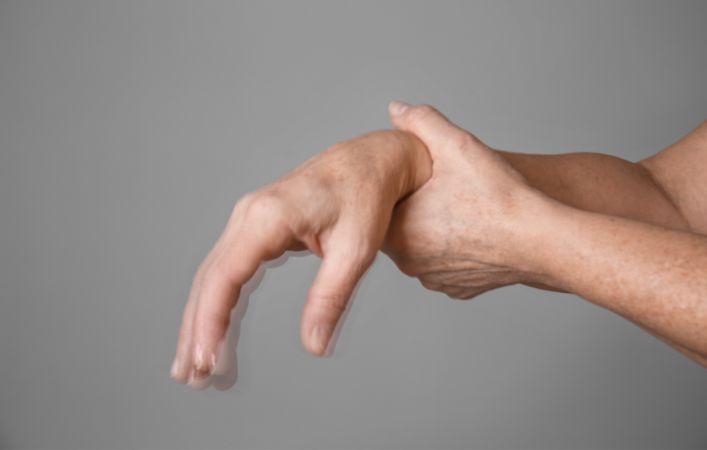
Moreover, THC at higher doses may exacerbate cognitive impairment or provoke psychiatric symptoms in vulnerable individuals. The current body of research is largely based on observational studies and small-scale trials, emphasizing the need for large, placebo-controlled studies. While CBD has shown neuroprotective effects in preclinical PD models, its clinical efficacy remains unclear4.
Alzheimer’s Disease
Cannabinoids have also been studied in Alzheimer’s disease (AD), primarily for managing behavioral symptoms rather than modifying disease progression. Shelef et al. found that low-dose THC reduced nighttime agitation in AD patients. However, claims that cannabis can preserve cognitive function in these patients are not supported by current evidence.
Most AD patients present with significant cognitive decline, limiting the observable benefit from neuroprotective interventions7. Furthermore, the potential for drug interactions is high due to the prevalence of polypharmacy in this population3.
While cannabinoids may help manage agitation or insomnia in select cases, their long-term safety and efficacy in AD remain uncertain.
Safety Considerations and Future Directions
While cannabinoids offer therapeutic potential, they are not without risk. CBD is generally well-tolerated but may inhibit cytochrome P450 enzymes, increasing the likelihood of drug interactions3. THC, particularly at high doses, is associated with cognitive impairment, anxiety, and psychosis.
However, when used under physician supervision at low doses, THC is relatively safe and has demonstrated efficacy in several neurological conditions.
It is essential to note that CB2 receptors, although not usually expressed in healthy brain tissue, may emerge in glial cells during disease, offering a possible target for future therapies4. As research evolves, a precision-medicine approach to cannabinoid therapy may help maximize benefits while minimizing risks.
Clinicians must continue to evaluate these therapies with scientific rigor, avoiding both hype and undue skepticism.
Conclusion
Cannabinoid-based therapies are carving a space in the treatment landscape of neurological disorders. From epilepsy and MS to neuropathic pain and behavioral symptoms in neurodegenerative diseases, the evidence supports cautious optimism.
However, efficacy varies by condition, and not all formulations are equally effective. Physicians should guide cannabinoid use with careful consideration of clinical evidence, patient characteristics, and the evolving scientific landscape.
Continued research, particularly high-quality randomized trials, will be critical in validating these therapies and ensuring safe integration into neurology practice.
References:
1. Ahmad, M., Hameed, M. Q., Islam, N. U., & Ahmed, S. (2024). Pharmacological potential of cannabinoids in pain management: An updated review. Biomolecules, 14 (9), 1065. [https://doi.org/10.3390/biom14091065]
2. Devinsky, O., Cross, J. H., Laux, L., Marsh, E., Miller, I., Nabbout, R., ... & Friedman, D. (2017). Trial of cannabidiol for drug-resistant seizures in the Dravet syndrome. New England Journal of Medicine, 376 (21), 2011–2020. [https://doi.org/10.1056/NEJMoa1611618]
3. Gao, X., Li, J., Zhou, Y., Zhang, S., & Yang, L. (2024). Cannabidiol in neurological diseases: Drug interaction risk and clinical implications. European Journal of Clinical Pharmacology. [https://doi.org/10.1007/s00228-024-03710-9]
4. Jin, R., Zhou, Y., Liu, T., & Ma, Y. (2024). Emerging targets and cannabinoid receptor modulation in neurodegenerative disease. Frontiers in Neuroscience, 18, 39201317. [https://pubmed.ncbi.nlm.nih.gov/39201317/]
5. Liu, X., Wang, C., & Song, Q. (2024). Clinical status and challenges of cannabinoid-based treatments for multiple sclerosis: An update. CNS Drugs, 38(1), 15–27. [https://pubmed.ncbi.nlm.nih.gov/40373479/]
6. Mendonça, D. A., Varela, C. M., Silva, R., & Oliveira, R. (2024). Clinical pharmacokinetics and pharmacodynamics of Dronabinol and other synthetic cannabinoids. Frontiers in Pharmacology, 15, 39317147. [https://pubmed.ncbi.nlm.nih.gov/39317147/]
7. Schenberg, E. E., Cardoso, R., Mendes, R., & Silva, T. (2024). Cannabinoids in Alzheimer’s disease: Promise, limitations, and future directions. Neurotherapeutics, 21(2), 40267856. [https://pubmed.ncbi.nlm.nih.gov/40267856/]