


The Dark Side of Cannabidiol: A Closer Look at Chemistry & Risks
Cannabidiol, or CBD, is a chemical compound found in the cannabis plant. After the U.S. legalized hemp-derived CBD in the 2018 Farm Bill, companies started producing a wide range of CBD-based products.
Since hemp-derived products are unregulated, some businesses began to use hemp-derived CBD as the building block for “semi-synthetic” cannabinoids like Δ8-THC, Δ7-THC, Δ10-THC, HHC, and an infinite list of others. These synthetic products often contain unknown and potentially dangerous byproducts. In this article we discuss Δ8-THC, but substitute any of the above cannabinoids – the issues are the same.
What is Δ8-THC and How is it Made?
Δ8-THC (Delta-8-tetrahydrocannabinol) is a synthetic version of a natural cannabinoid found in very small amounts in cannabis. To produce Δ8-THC in larger amounts, companies convert CBD into Δ8-THC using a chemical reaction called “acid-catalyzed ring closure”. This process involves dissolving CBD in solvents and adding strong acids to rearrange its molecular structure.
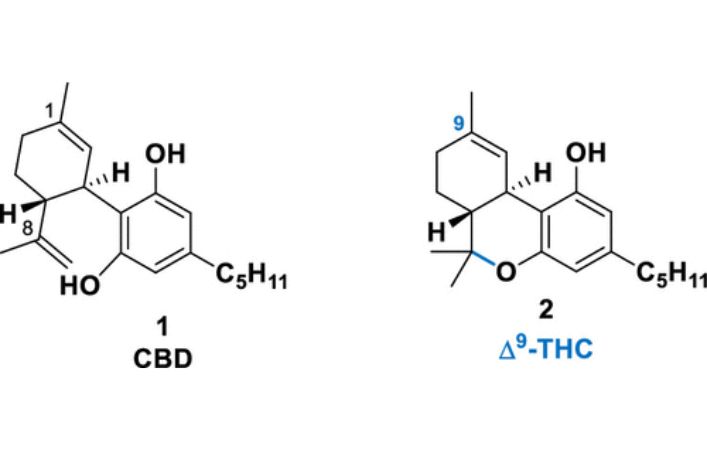
This kind of chemical transformation is not simple or clean. It produces a mixture of compounds, not just the desired Δ8-THC. Many of these extra compounds, or byproducts, are poorly understood and have not been tested for safety. The result is a product that may contain dozens of unknown substances alongside Δ8-THC.
Why the Byproducts Are Dangerous
The chemical reaction that turns CBD into Δ8-THC is not fully controlled in most manufacturing settings, especially in unregulated environments. That means a lot of chemical leftovers remain in the final product. Some of these are regioisomers (compounds with the same atoms but arranged differently), while others are completely new compounds that may not even occur in nature.
Because these byproducts haven't been studied in clinical trials, we don't know how they affect the human body. They could be harmless—or they could be toxic, carcinogenic (cancer-causing), or damaging to organs like the liver and lungs.
Another issue is residual solvents, the chemicals used to dissolve CBD or trigger the reaction. If not properly removed, solvents like heptane or sulfuric acid residues could remain in the final product. These can be harmful if inhaled or ingested.
Lack of Regulation and Testing
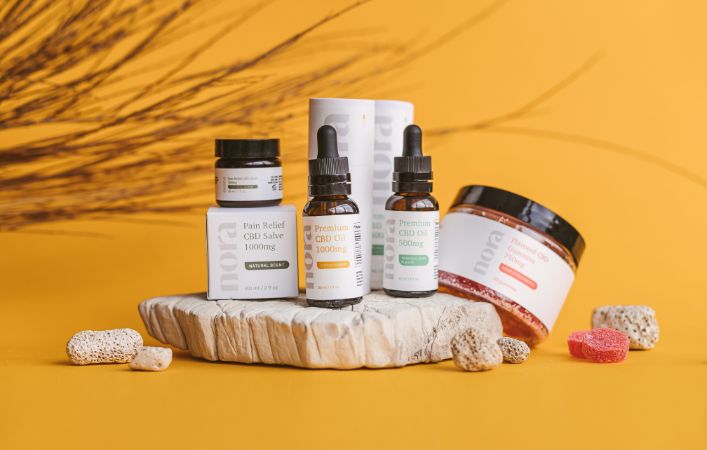
One of the biggest problems is the lack of oversight. Unlike prescription drugs and state-legal cannabinoids, these synthetic Δ8-THC products are not required to go through chemical purity testing. Labels can be misleading, showing only Δ8-THC content while ignoring all the other unknowns. Some products labeled as “pure CBD” have been found to contain Δ8-THC and other cannabinoids not listed on the packaging.
Most labs that test cannabis products are not equipped to identify all the byproducts from synthetic Δ8-THC production. Even when products are tested, they may only screen for a handful of known substances, leaving out dozens of unknown ones. This creates a false sense of safety for consumers.
Lack of Knowledge About Novel Cannabinoids
The purity or lack thereof of these cannabinoid products isn’t the only concern. While the reactions produce reams of unknown chemicals that contaminate the intended and advertised product, the supposed “active ingredient” itself is largely unknown. Since Δ8-THC is so rare in botanical cannabis, it has never been safety tested in humans by itself. All the other derived cannabinoids, like Δ7-THC, Δ10-THC, HHC, etc., are completely novel and have never been seen before let alone tested in humans for long-term safety. This is the major concern and simply regulating hemp-derived products for purity will not solve this issue.
The Call for Better Chemistry and Oversight
The article’s authors, including Jordan Tishler, MD, stress the need for proper chemical analysis and regulation. They argue that if Δ8-THC is going to be sold, it should be produced with pharmaceutical-grade methods under strict safety standards. Chemical processes should be well-documented, and every batch should be tested not just for THC content but for all chemical residues and byproducts.
In addition, more research is needed to understand what these novel cannabinoids actually do in the human body. Without this data, it's impossible to say these products are safe, even if they are pure.
While CBD has legitimate medical potential and Δ9-THC is well understood in regulated medical cannabis programs, the rise of synthetic cannabinoids like Δ8-THC has introduced serious health and safety concerns. The process of converting CBD into Δ8-THC is chemically complex and produces many unknown byproducts. These compounds, often not removed or tested for, pose potential dangers to consumers.
Until stronger testing, regulation, and transparency are in place, synthetic Δ8-THC products should be approached with caution. What may seem like a natural alternative to cannabis could, in reality, be a chemical experiment with hidden risks.