

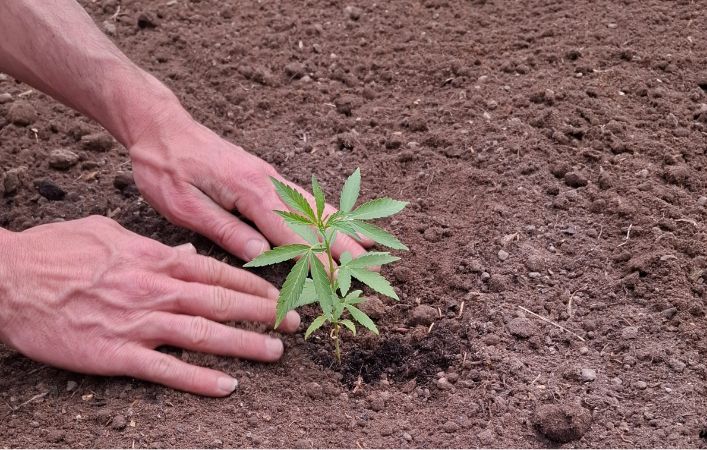
 Should Medical Cannabis Patients Grow Their Own Cannabis?
When considering whether medical cannabis patients should grow their own medicine, the conversation must be grounded in evidence, compassion, and rooted in real clinical experience.
I have devoted my career to cannabinoid medicine, not only to help patients find relief safely, but also to elevate standards in a field that frequently finds itself battling misinformation and hype. In this discussion, let us look carefully—like physicians must—at the risks, benefits, and realities of home-grown cannabis through the lens of patient-centered medical care.
The Appeal of Home-Grown Cannabis: Autonomy and Affordability

Many medical cannabis patients are drawn to the idea of growing their own medicine, citing cost savings, autonomy, and concern over product quality or availability. In states like Massachusetts, cultivation is legal for qualifying patients.[1]
However growing cannabis is not like tending tomatoes on the porch; it is a complex horticultural and biochemical process. Patients are not simply growing a plant, but a medicine, and precision matters.
Science and Safety: Why Medical Standards Matter
Modern medicine is built on repeatability, safety, and human clinical evidence. Regulatory systems exist because scientific rigor in drug development protects patients from harm. Cannabis, like any medicine, is a double-edged sword. If used properly, cannabis can provide relief from pain, nausea, anxiety, and other symptoms.
At the same time, it is not without potential risks: impaired cognition, dependence, problematic interactions with other medications, and variable dosing can all become serious complications.[2]
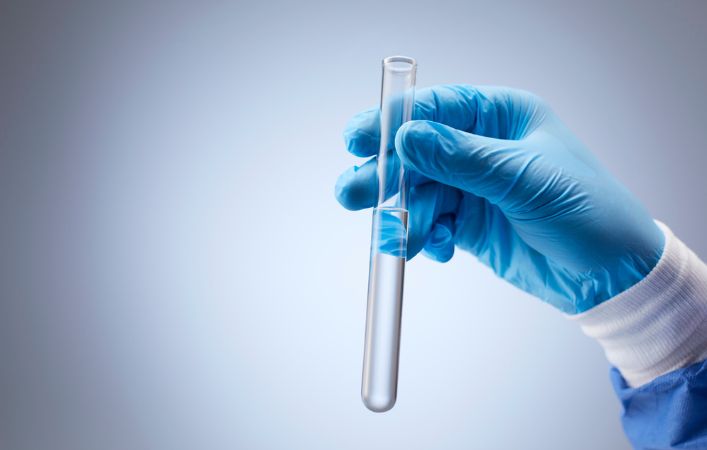
Unlike regulated dispensaries, home cultivation frequently lacks structure and quality control. Do patients have access to lab testing for cannabinoid and terpene levels, contamination screening, or a reliable system for dosage measurement?
The answer is usually no, and this creates clinical risks—ranging from under-treatment, over-treatment, adverse reactions, and dangerous exposure to pathogens, heavy metals, or pesticides.[1]
The Myth of 'Natural' Safety
It is often argued that cannabis, as a plant, is "natural" and thus safe. I remind patients every day that just because cobra venom is all-natural doesn’t mean it’s any good for you.
The concept of safety in medicine comes from rigorous study and careful standardization. Product variability in home-grown cannabis is breathtaking: even plants grown from the same seed batch can produce wildly different chemical compositions depending on conditions.
If a patient needs consistent relief from chronic pain or to control chemotherapy nausea, the unpredictability can mean the difference between suffering and normal functioning.
The Art and Science of Dosing
Cannabinoid therapy is not just about consuming cannabis—it is about finding a regimen of delivery method, cannabinoid content (THC, CBD), timing, and dose that achieves symptom control with minimal side effects. With commercial products, dosing is measurable. With home-grown flower, it is guesswork at best.

Patients frequently struggle with titrating dose from home-grown cannabis, which can result in excess psychoactivity, dizziness, anxiety, or poor symptom relief. Experienced cultivators sometimes achieve adequate results, but most patients lack the time, training, or resources to reach pharmaceutical-grade standards.[1]
Legal, Practical, and Ethical Considerations
It is important to recognize that cultivation laws vary widely between states and countries. Patients should consult both clinicians and legal advisors to fully understand the regulations by which they must abide.
In some, but not all, legal states, home cultivation is permitted. In those states that do permit it there are specific limits that are easy to exceed—often inadvertently—that can carry criminal liability.
Ethically, patients seeking consistent medical care deserve safe, reliable medicine—ideally produced under standards akin to those in the pharmaceutical world.
While I support patient autonomy, my responsibility is first to their wellbeing. Encouraging home cultivation, without support and education, exposes patients to medical and legal risk.
The Value of Professional Guidance and Medical Dispensaries
The best patient outcomes arise from the collaboration between patient, physician, and the state regulators who ensure commercial products meet strict testing and packaging standards.
These standards required medical dispensaries to maintain rigorous product testing—ensuring potency, safety, and reliability. This enables doctors and patients to work within a framework akin to prescription pharmaceuticals, adjusting doses, monitoring efficacy, and minimizing harm.
Medical cannabis programs should strive for accessibility, affordability, and patient choice. However, these aims must not be achieved at the expense of safety and reliability.
In my clinical practice, patients benefiting most from cannabinoid therapy are those closely monitored, with products whose contents and effects are known.[3][1]
Special Patient Populations: Who Might Benefit or Be Harmed?
Some patients may possess the skills and resources to grow high-quality cannabis safely, but such cases are rare.
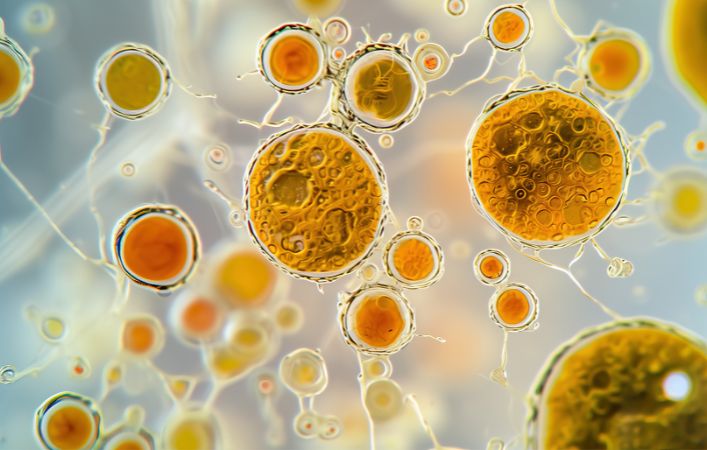
Immunocompromised cancer patients, the elderly, or those with respiratory disorders are particularly vulnerable to contaminants often found in home-grown cannabis. For them, exposure to mold or fungus can be outright dangerous rather than merely suboptimal.
Conversely, patients living in rural or underserved areas, or those facing financial hardship who cannot afford dispensary prices, may find cultivation their only option. For these groups, education, support, and regular medical oversight become even more critical.
What Should Patients Do? My Clinical Recommendations
Discuss with Your Doctor
All medical cannabis use, including home-growing considerations, should be discussed openly with a qualified physician.
Prioritize Safety
If growing at home, seek education on best practices for horticulture, contamination prevention, and dosage measurement.
Regular Review
Treatment plans—including home-grown cannabis—should be reviewed regularly to monitor effectiveness and side effects.
Legal Compliance
Always verify the current rules and limits for cultivation in your jurisdiction.
Seek Lab Testing
Whenever possible, have products tested for potency and contamination. Some labs will provide free or reduced cost testing for individuals.
Evaluate Alternatives
If high-quality dispensary options exist, consider them for the sake of consistency and safety.
Final Thoughts: Respecting Both Autonomy and Evidence
Ultimately, my role as a physician is to support patients in finding the safest, most effective solutions for their medical conditions. The goal should always be optimal patient care.
For most, the best path is through medical-grade cannabis products, supported by professional advice and ongoing monitoring. For those who must grow at home, the process should be managed with care, education, and transparency.[2][3][1]
References