

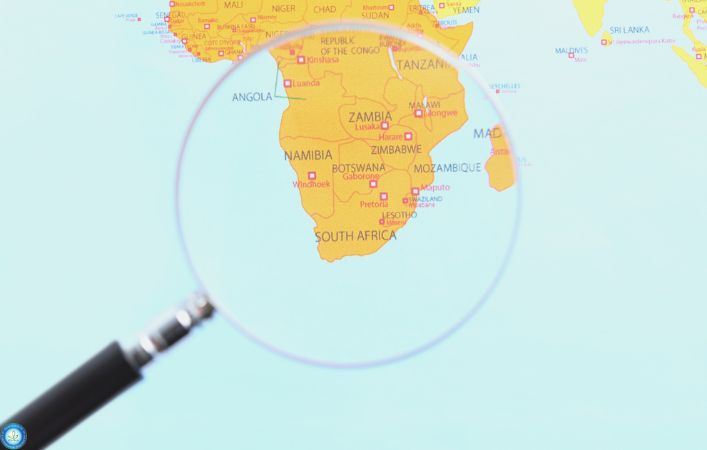
The rise of cannabis-based medicine across Africa is reshaping how nations think about health, policy, and economic opportunity. Southern Africa presents a fascinating spectrum, from Zimbabwe’s export-driven approach to South Africa’s cautiously progressive model and Mauritius’s newly regulated framework.
This article explores how these countries are navigating the intersection of law, science, and access.
Back to Basics
Medicinal cannabis is not new, but formal regulation is. Over the past decade, Southern African countries have transitioned from prohibition to controlled legalization.
- Zimbabwe was among the first to legalize production for medical and scientific use in 2018.
- South Africa followed with decriminalization for personal use and structured medicinal access.
- Mauritius remains cautious, but a 2022 legal amendment now allows prescribed medical cannabis under strict government oversight.
The Legal Landscape
- Zimbabwe’s Statutory Instrument 62 of 2018 authorizes licensed cultivation and export under the Medicines Control Authority of Zimbabwe (MCAZ). Licenses cost up to USD 50,000, limiting local participation and skewing production toward export.
- South Africa operates under the South African Health Products Regulatory Authority (SAHPRA), permitting the manufacture and prescription of cannabidiol (CBD) and tetrahydrocannabinol (THC) based medicines for qualifying patients.
- Mauritius enforces the Dangerous Drugs Act (2000), recently amended to allow importation and controlled dispensing of prescribed cannabis medicines through the Ministry of Health and Wellness.
Patient Access and Clinical Use

- Despite legal progress, Zimbabwe still lacks a formal prescription pathway or national registry for medical cannabis. A few CBD products are registered with MCAZ, but patient access remains limited.
- South Africa provides the most developed model, allowing SAHPRA-approved prescriptions and over-the-counter CBD products below 20 mg/day.
- Mauritius’ 2022 amendment enables patients with prescriptions, even visiting patients with foreign prescriptions receive authorization for medical use. This cautious but significant reform places Mauritius ahead of several African peers in terms of controlled patient access.
Research and Development
Regional research remains modest but is increasing.
- Zimbabwe: Studies such as Rusenga et al. (2024) explored legalization’s agricultural and social effects; Adebisi et al. (2022) identified knowledge gaps among healthcare professionals.
- South Africa: Universities and laboratories are advancing cannabinoid pharmacology, extraction technology, and patient-outcome studies.
- Mauritius: Early-stage efforts include feasibility assessments.
Persistent challenges like funding, ethics review consistency, and policy clarity continue to hinder research growth.
Barriers and Opportunities
Shared obstacles include limited physician education, high license fees, and weak supply-chain infrastructure. Yet, each country holds a unique promise:
- Zimbabwe could expand domestic access through inclusive licensing.
- South Africa can anchor regional research and training.
- Mauritius could become a clinical-trial leader, leveraging its strong health system once reforms mature.
Global Perspective

Southern Africa’s trajectory mirrors global tensions between commercial ambition and patient equity. Nations such as Canada, Germany, and Israel demonstrate how regulation can balance economic growth with rigorous science and clinician training.
Global collaboration, investment in education, and harmonized standards could accelerate the region’s path toward equitable medical access and evidence-based regulation.
Conclusion
The Southern African cannabis landscape is diverse, ambitious, and rapidly evolving. Zimbabwe leads in licensing, South Africa in access, and Mauritius in cautious reform.
True success will depend on aligning business interests with patient well-being and prioritizing science, affordability, and inclusion - transforming cannabis from a profitable crop into a regional tool for public health and therapeutic innovation.
References:
- Rusenga M., Klantschnig G., Carrier N., Howell S. (2024). Business as Usual? Cannabis Legalisation and Agrarian Change in Zimbabwe. University of Bristol.
- Adebisi Y. A. et al. (2022). Medical Use of Cannabis in Africa: The Pharmacists’ Perspective. Journal of Cannabis Research.
- Medicines Control Authority of Zimbabwe. Medicinal Cannabis FAQs. 2023.
- South African Health Products Regulatory Authority (SAHPRA). Medical Cannabis Regulatory Framework. 2024.
- Government of Mauritius. Dangerous Drugs (Amendment) Act 2022. Ministry of Health and Wellness.
- World Health Organization (2023). Cannabis and Cannabinoid Medicines: Global Regulatory Trends.