
Doc Talk Blog: Medical Cannabis Science, Advocacy, & Updates
Welcome to the Association of Cannabinoid Specialists' Doc Talk Blog, where you'll find the most up-to-date science, news, advocacy, and updates from cannabinoid specialists and other experts in the fields of cannabinoid medicine, policy, industry, education, and more.
-
When Cannabis Isn’t the Best Medicine: Knowing When to Stop

When Cannabis Isn’t the Best Medicine: Knowing When to Stop
Cannabis can be a legitimate therapeutic tool, but its medical use requires the same discipline applied to opioids, benzodiazepines, stimulants, and other psychoactive medications. It should be prescribed or recommended for a defined clinical purpose, used at the lowest effective dose, and judged by measurable improvements in symptoms and function. When patients respond by continually increasing their dose without sustained improvement, cannabis may no longer be treatment—it may be becoming part of the problem.

Written by Jordan Tishler, MD
October 13, 2026 -
It's Time to Stop Debating Cannabis and Psychosis

It's Time to Stop Debating Cannabis and Psychosis
We will never be able to prove whether or not cannabis causes psychosis. The research methods that could prove the point are simply unethical to employ.
Written by Amcs Admin
September 29, 2026 -
FDA-Approved Medicines vs. Cannabis Products: Exploring Modern Therapeutics
FDA-Approved Medicines vs. Cannabis Products: Exploring Modern Therapeutics
Over the past decade, cannabis-based therapeutics have rapidly transitioned from controversial alternative remedies to serious subjects of scientific and clinical investigation. As legalization expands across the United States and globally, patients are increasingly comparing conventional FDA-approved medications with cannabis products for conditions such as chronic pain, epilepsy, anxiety, neurological disorders, and cancer-related symptoms.
-
Why Packaging Safety of Cannabis Products Matters

Why Packaging Safety of Cannabis Products Matters
As cannabis legalization continues to expand across the United States and globally, the cannabis industry has experienced rapid growth in the production and commercialization of edibles, oils, vape cartridges, tinctures, concentrates, and infused beverages. While much scientific attention has focused on the therapeutic potential of cannabis, an equally important public health concern has emerged surrounding the packaging safety of cannabis products.
-
A New Approach to Menopause and Female Sexual Wellness

A New Approach to Menopause and Female Sexual Wellness
August is Women's Month in South Africa, a time to celebrate the resilience, strength, and health of women while acknowledging the unique healthcare challenges they face throughout their lives.
-
Your Legislator is Home for the Summer. Go Say Hi!

Your Legislator is Home for the Summer. Go Say Hi!
Every August, something magical happens in American politics: Congress packs up for its traditional August recess, and a good chunk of state legislatures wind down their sessions around the same time.
-
Interaction between Cannabis and GLP-1 Inhibitors

Interaction between Cannabis and GLP-1 Inhibitors
Functional Gastroparesis Can Cause Severe Distress
GLP-1 receptor agonists and cannabinoids both slow gastrointestinal motility, so concurrent use can meaningfully increase the risk of delayed gastric emptying, gastroparesis-like symptoms, and nausea–vomiting syndromes in susceptible patients. Clinicians should therefore screen for cannabis use when starting GLP‑1 agents and counsel patients about overlapping GI toxicities and red-flag symptoms.[1][2][3][4]
Written by Jordan Tishler, MD
July 21, 2026 -
Take the Lead: Advocate for Medical Cannabis Training in Your State

Take the Lead: Advocate for Medical Cannabis Training in Your State
Many states require doctors, nurses, and pharmacists to take special training courses before they can recommend medical cannabis to patients. However, the quality of these required courses varies wildly. Some courses focus on outdated laws or retail business tips rather than real clinical practice and evidence.
Written by Amcs Admin
July 07, 2026 -
North Carolina should not mistake retail access for medical care
 North Carolina should not mistake retail access for medical care.
North Carolina must not bypass establishing a medical cannabis program in favor of a retail cannabis sales only program. A comprehensive medical system is needed and intended to serve the unmet needs of sick North Carolinians including counsel and oversight from medical professionals.
Written by Jordan Tishler, MD
June 26, 2026 -
A New Side Effect of Cannabis: Doctors Stop Thinking

A New Side Effect of Cannabis: Doctors Stop Thinking
Clinicians are seeing more patients who use cannabis. Some patients use it for medical purposes like insomnia, chronic pain, or anxiety. Others use it purely for enjoyment.
Nonetheless, we’re seeing that as use increases, so does a troubling diagnostic reflex: when a patient reports cannabis use along with nonspecific gastrointestinal symptoms, cannabis hyperemesis syndrome (CHS) too often becomes the default conclusion.
Written by Jordan Tishler, MD
June 16, 2026 -
How Cannabidiol (CBD) Works for Seizures
How Cannabidiol (CBD) Works for Seizures
Cannabidiol (CBD) is a non-intoxicating component of the cannabis plant. Scientific investigations over the past decade have clarified CBD’s potential as an anti-seizure medication, distinguishing its mechanism from both tetrahydrocannabinol (THC) and traditional antiepileptic drugs¹.
Written by Amcs Admin
June 02, 2026 -
Comparing the Risks of Recreational Use of Alcohol and Cannabis

Comparing the Risks of Recreational Use of Alcohol and Cannabis
Recreational use of alcohol and cannabis each carries significant risks, but the pattern, severity, and societal impact of these risks differ in important ways.
Written by Jordan Tishler, MD
May 19, 2026 -
Cannabis and Dysmenorrhea: What Research Says About Period Pain Relief

Cannabis and Dysmenorrhea: What Research Says About Period Pain Relief
What causes period pain, and what role does cannabinoid medicine play in alleviating symptoms?
-
Preparing for Schedule III: Evidence-based resources from ACS
 With the federal repositioning of FDA-approved cannabinoid products and state-licensed medical cannabis from Schedule I to a Schedule III drug, federal regulators have recognized the medical value of cannabinoid medicine.
Written by Amcs Admin
April 28, 2026 -
Cannabinoids and Migraines: Emerging Evidence and Clinical Implications
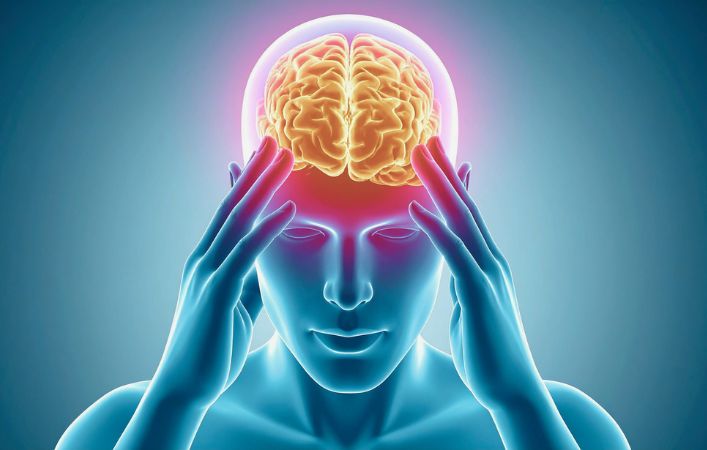
Cannabinoids and Migraines: Emerging Evidence and Clinical Implications
Migraines and chronic headaches are more than just episodes of pain, they are complex neurological disorders that can significantly disrupt quality of life, productivity, and mental health.
-
Cannabis Is Here. The Public Health Work Is Just Beginning.
 Cannabis Is Here. The Public Health Work Is Just Beginning.
Cannabis did not quietly arrive. It moved from the margins into everyday life with speed and scale. It now touches healthcare visits, workplace safety, insurance claims, disability evaluations, and conversations about fairness and enforcement. Whether someone supports legalization is no longer the defining issue. Cannabis is here. The real question is whether we are managing its impact with the same seriousness we apply to other widespread health exposures.
-
Medical Cannabis and Psychosis Risk: Policy Brief for Regulators

Medical Cannabis and Psychosis Risk: Policy Brief for Regulators
Medical cannabis provides clinically meaningful benefit for eligible patients when used under appropriate clinical supervision. Psychosis risk is real but concentrated in specific high-risk groups and use patterns. Any federal or state policy should strengthen safeguards within medical programs rather than restrict legitimate therapeutic access.
Written by Jordan Tishler, MD
April 05, 2026 -
Hemp Regulation: Full Spectrum vs. Broad Spectrum
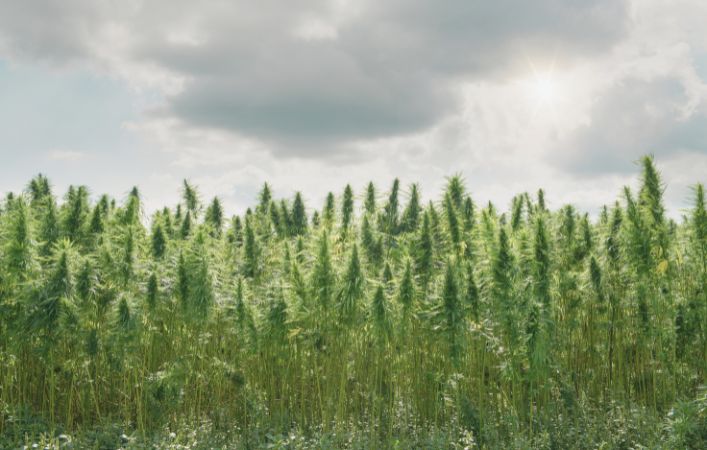
Hemp Regulation: Full Spectrum vs. Broad Spectrum
Due to recent debate about hemp product regulation, there has been renewed interest in products labelled as “full spectrum” vs. “broad spectrum”. In this article, we will define these terms and explore their medical safety and utility.
Written by Jordan Tishler, MD
March 29, 2026 -
Additional Ingredients in Cannabis Products
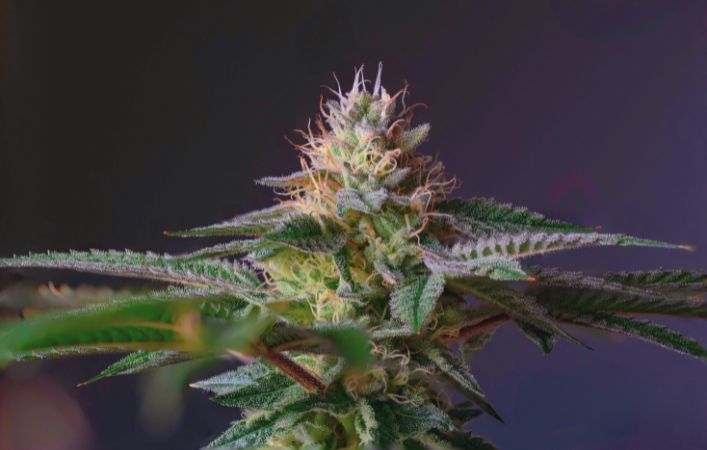
Additional Ingredients in Cannabis Products
Cannabis-infused products are increasingly incorporating a diverse range of additional ingredients such as botanicals (e.g., corydalis), hormones (e.g., melatonin), minor cannabinoids, mushrooms, and even essential oils in pursuit of new branding angles and supposed therapeutic effects.
Written by Jordan Tishler, MD
March 24, 2026 -
Colorectal Cancer Is Getting Younger: Where Medical Cannabis Fits In

Colorectal Cancer Is Getting Younger: Why Screening at 45 Matters and Where Medical Cannabis Fits in Care
March is Colorectal Cancer Awareness Month — an opportunity to highlight both progress and concern in colorectal cancer (CRC) prevention and management.

Written by Adam Abodeely
March 10, 2026 -
Cannabinoids for Attention Deficit Hyperactivity Disorder (ADHD)

Cannabinoids for Attention Deficit Hyperactivity Disorder (ADHD)
Current scientific evidence on the use of THC and CBD for Attention-Deficit/Hyperactivity Disorder (ADHD) remains limited and inconclusive, with potential for both benefit and harm. The Association of Cannabinoid Specialists recommends that clinicians consider available data and exercise caution, prioritizing established treatments and monitoring for cannabis use disorder when encountering patients with ADHD who use cannabinoids.
Written by Jordan Tishler, MD
February 24, 2026 -
Inside the Microbiome-Endocannabinoid Axis
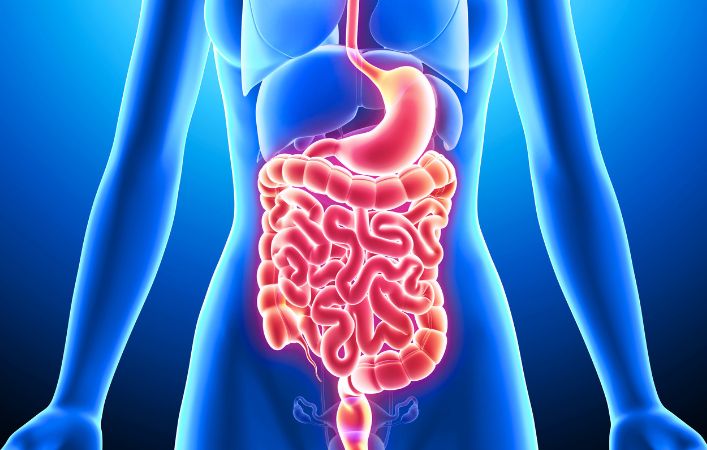
Inside the Microbiome-Endocannabinoid Axis
The gut is home to a complex communication network that integrates neural, immune, and microbial inputs to maintain gastrointestinal health.
-
Buds, Bodies, and Bliss: Some Valentine's Advice
Buds, Bodies, and Bliss: Some Valentine's Advice
Love, sex, and cannabis make an appealing Valentine’s trio—but, like any good ménage à trois, they work best with clear communication, low drama, and correct dosing.
Written by Jordan Tishler, MD
February 08, 2026 -
The Islamic Perspective on Medical Cannabis Use

The Islamic Perspective on Medical Cannabis Use
Medical cannabis use from an Islamic perspective is a nuanced subject balancing religious principles, the prohibition of intoxication, and the therapeutic benefits of cannabis.
Written by Jordan Tishler, MD
January 27, 2026 -
Spain's New Magistral Prescribing Regulations

Spain's New Magistral Prescribing Regulations
Spain’s inclusion of standardized magistral (compounded) cannabinoid preparations in the National Formulary is a meaningful regulatory milestone that brings much‑needed national consistency, quality standards, and traceability to prescribed cannabis medicines.[1][2][3]
Written by Jordan Tishler, MD
January 23, 2026 -
5 Reasons Physicians Should Pay Attention to Cannabis Medications

5 Reasons Physicians Should Pay Attention to Cannabis Medications
Cannabis has a long-standing role in medicine and recently the United States Department of Health and Human Service (HHS) has declared it meets the standard of Commonly Accepted Medical Use (CAMU). Modern research has revealed its effectiveness and safety for multiple conditions. The United States Food and Drug Administration (FDA) has approved cannabinoid-based drugs for many years, and evidence suggests that current non-pharmaceutical cannabis products may offer even greater efficacy. Despite this, a majority of physicians are not fully aware of the therapeutic possibilities cannabinoids provide and often feel hesitant to prescribe them, even when patients could benefit.
Written by Jordan Tishler, MD
January 13, 2026 -
Where Cannabinoid Medications Fall in Current Treatment Thinking
Where Cannabinoid Medications Fall in Current Treatment Thinking
Cannabis is often touted as being a “cure-all” or panacea for a wide range of illnesses from chronic pain to anxiety to cancer to insomnia and others. Not only is this thinking medically invalid, it undermines the legitimate use of cannabinoid medications.
Written by Amcs Admin
December 30, 2025 -
Cannabis is Medicine: Rescheduling Cannabis to Schedule III
Cannabis is Medicine: Rescheduling Cannabis to Schedule III
On December 18, 2025 the United States government definitively declared “Cannabis IS Medicine”. Association of Cannabinoid Specialists (ACS) has been advocating that position since our physician-founder established our non-profit.
Written by Jordan Tishler, MD
December 19, 2025 -
The State of Cannabis-Based Medicine in Southern Africa
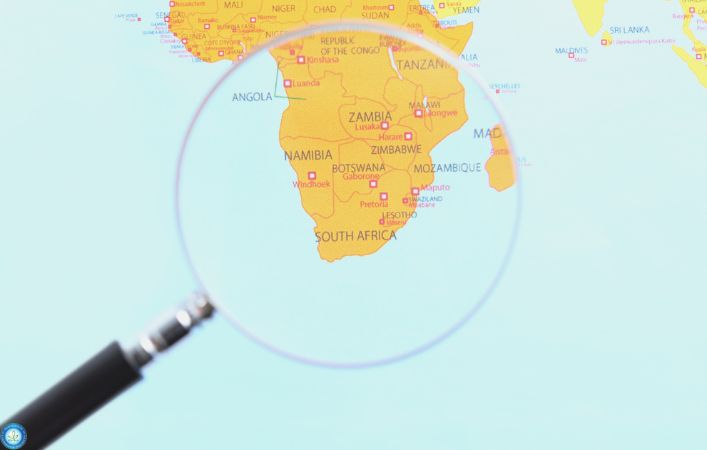
The rise of cannabis-based medicine across Africa is reshaping how nations think about health, policy, and economic opportunity. Southern Africa presents a fascinating spectrum, from Zimbabwe’s export-driven approach to South Africa’s cautiously progressive model and Mauritius’s newly regulated framework.
Written by Sangeeta Nathoo
December 16, 2025 -
The Jewish Perspective on Medical Cannabis Use

The Jewish Perspective on Medical Cannabis Use
Disclaimer: This article was written in large part with the assistance of AI. While the basic tenets are familiar to me, as a fairly secular Jew, I claim no deep insight into the nuances of Jewish law.
Medical cannabis use within the Jewish perspective is approached thoughtfully through halakhic (Jewish law) and ethical frameworks that emphasize the sanctity of life, health, and moral living.
Written by Jordan Tishler, MD
December 02, 2025
